27 March 2025
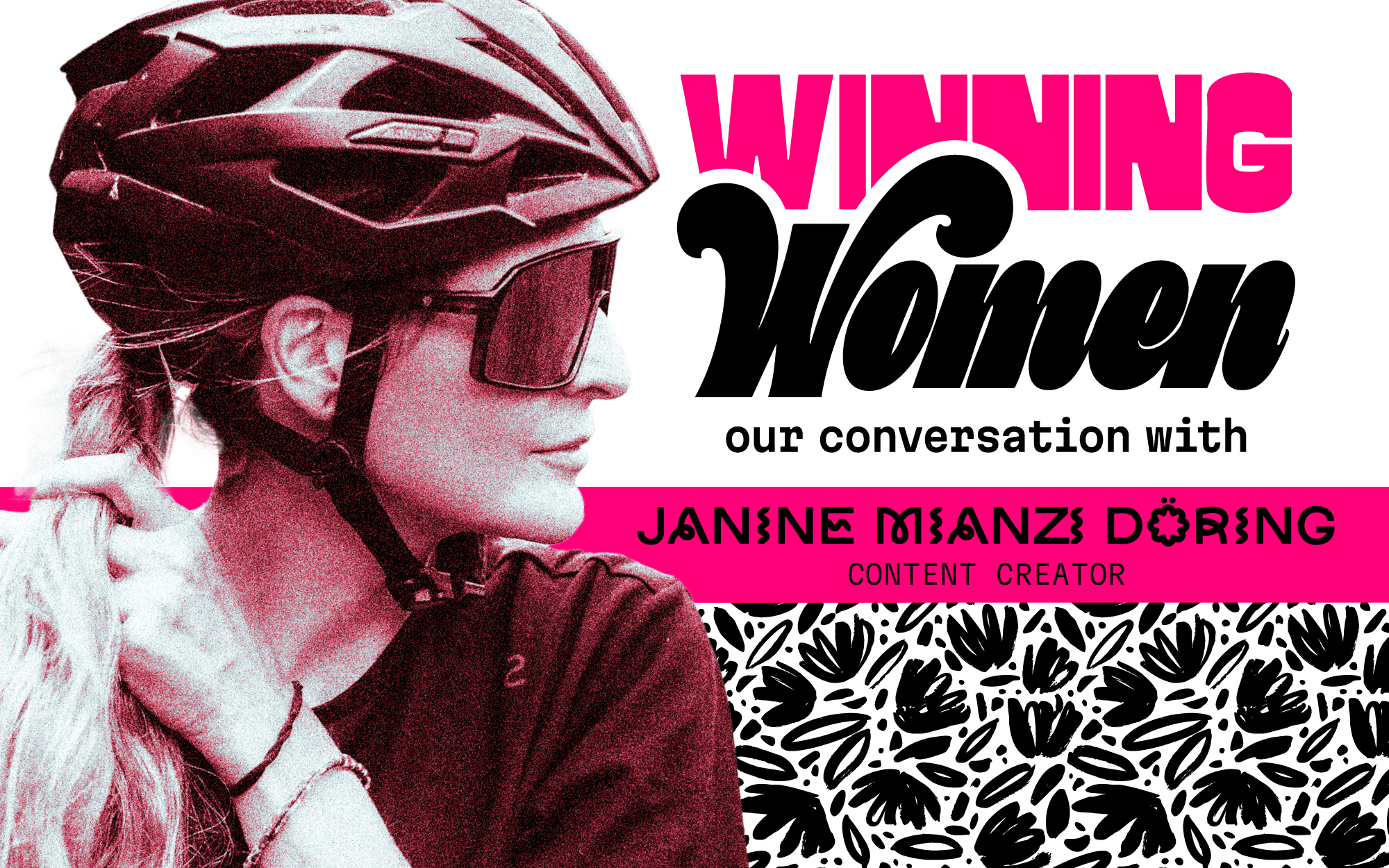
Winning Women: Our Conversation with Janine Mianzi Döring
At Fulcrum, we have a long tradition of working closely together with a range of riders and teams that span every cycling discipline and terrain type. By partnering with talented athletes for product development, testing, and competition, we’ve also built many strong and ongoing relationships with those who roll with Fulcrum.
For the month of March, we want to turn our attention towards these individuals—specifically, some of the leading women in our current rider roster with a series of weekly interviews. Enjoy the final chapter in this series as we catch up with Janine Mianzi Döring, a.k.a. Mianzirei.
Can you introduce yourself and tell us about your relationship with Fulcrum?
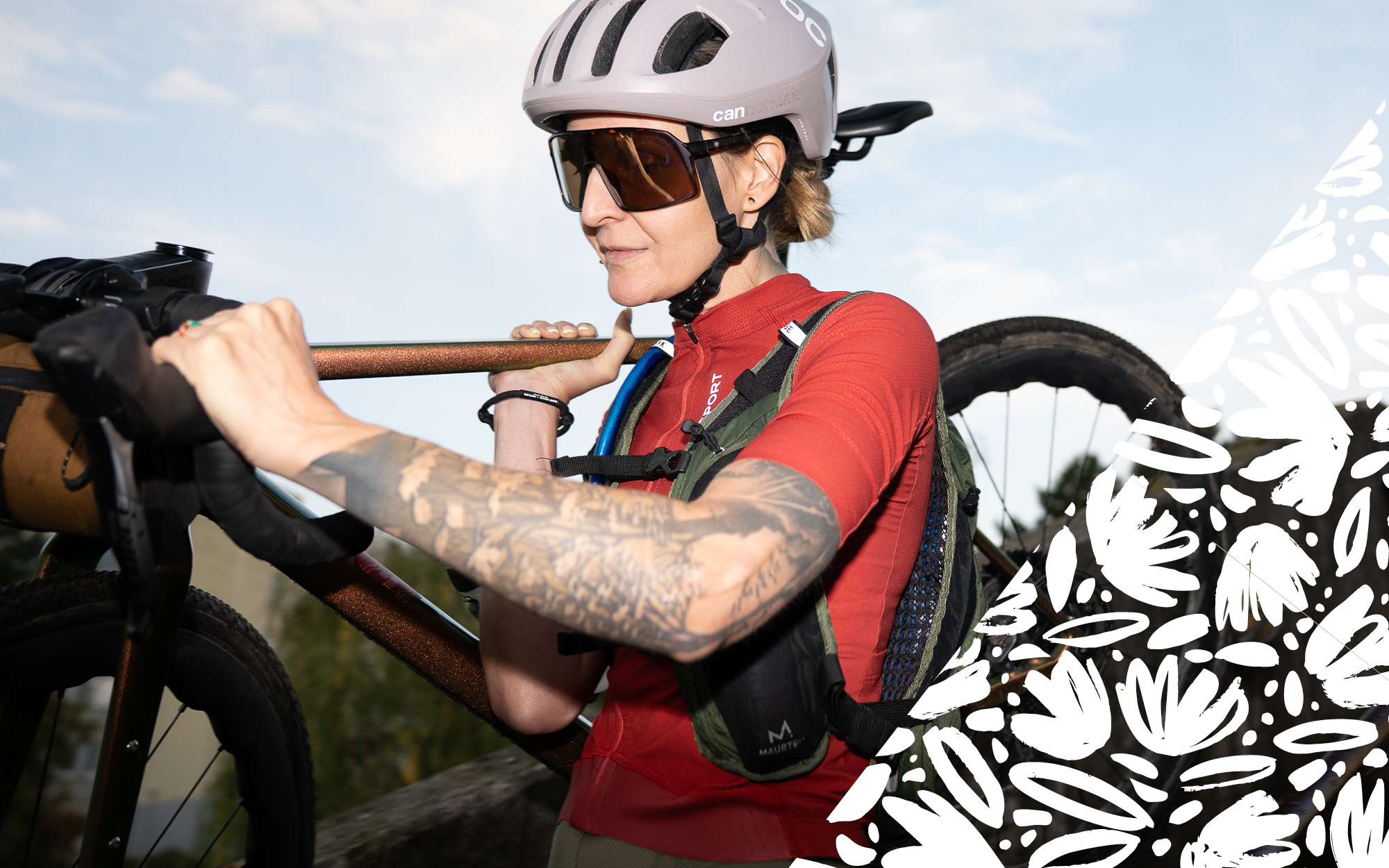
My name is Janine Mianzi Döring, also known as Mianzirei. I am photographer and content creator living in Berlin. I did track and field, played baseball and softball in the second league, and later started fixed-gear racing, which I did for seven years. Through that, I also got into the road cycling Bundesliga while riding fixed gear in summer and cyclocross in winter—and did this about 15 years. For the last four years, I’ve also ridden gravel for fun. Last year, I founded a social ride series in Berlin for gravel beginners called "nodropcoffee rides” which takes place every two weeks. I came to Fulcrum through my former gravel team, although I had known the brand within my circle for many years. Fulcrum immediately felt like family to me. I am a Fulcrum ambassador and community builder for gravel cycling beginners in Berlin, but I also participate in smaller races and try to support women there, as well.
Cycling is a sport that has seen an increasing number of women taking part over the years. Why do you think that more women are coming into the sport?
It seems that in recent years more and more women have taken up cycling, but in reality, we’ve always been here. What has changed is the visibility for women. I remember being one of seven women standing in Milan in 2012 for the Red Hook Crit. I didn’t qualify for the men's race, but we wanted to be there anyway. The following year, there was a women's category, and more and more women joined each year. In the end, there were 100 female starters. The opportunities for women are finally becoming more frequent at events, so we are showing up more often.

What do you think are the obstacles that women may still have to overcome to start cycling? What needs to change to remove these obstacles?
For a long time, women were repeatedly told that there were certain things they couldn’t or weren’t allowed to do, that they didn’t belong in sports, that they were forbidden from participating in events like marathons. As an example, I’d like to mention Kathrine Switzer, number 261. That was just 50 years ago. Men banned women from participating in certain activities. In some countries, women are still only seen as meant for reproduction and childcare, which is linked to fears of sexism. These beliefs run deep, and it takes patience, courage, and support from the male side to help women overcome doubts that have been built up over centuries.
What should cycling brands do to make the environment more inclusive?
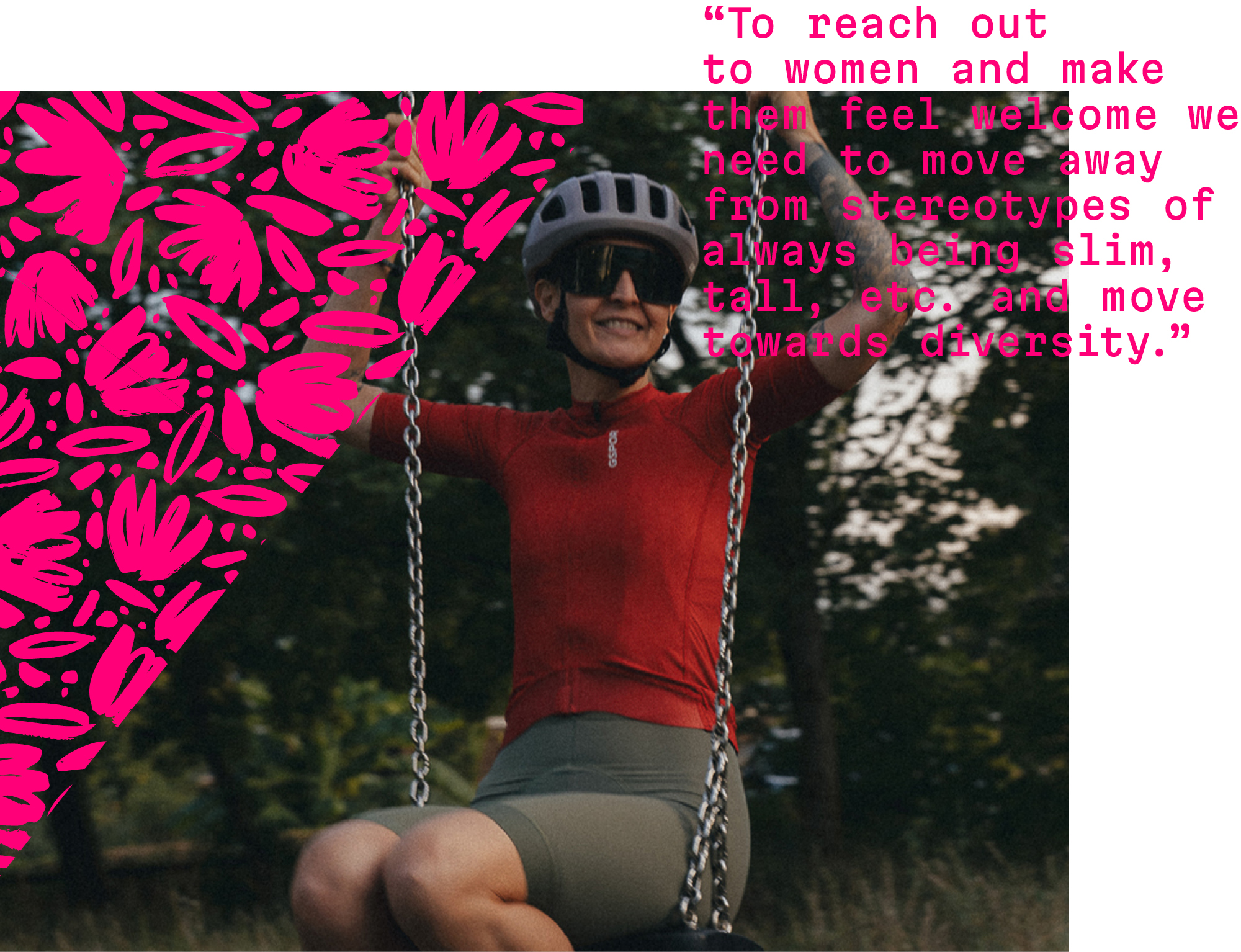
To reach out to women and make them feel welcome in this sport, it starts with advertising and language. We need to move away from stereotypes of always being slim, tall, etc. and move towards diversity. We women connect well with each other and enjoy exchanging information about gear. We engage in a lot of tech talk and face different challenges than men, such as when selecting saddles and bibs. The more women that are involved in development, the more their knowledge can be harnessed, which in turn will attract more women. What Fulcrum is doing here is also very important, as it gives us women a platform where we can communicate openly, which can help connect us more and further integrate us into the sport.
Is there a message that you want to share with all the girls or women who have never considered cycling as a sport or a profession?
My message to girls and women is simple: never compare yourself to men. Seek out female role models, and ideally female coaches, or coaches who specialize in performance sports with cycle-based training. But my message to all sports media and broadcasters is this: be careful who you hire as commentators and show women’s races during prime time.
And perhaps one for the men who could do something to facilitate women’s access to cycling?
To all men: please stop mansplaining, even if you’re an absolute expert, please ask a woman if she wants some advice before you give it. Also important is that before you compliment women in sports, take a moment to ask yourself if you would say the same thing to a man, or to your daughter, sister, or mother. It would also be incredibly great if more men would support equal prize money or prizes for women in professional cycling.
Thank you, Janine, for sharing your personal journey with us—and for being an important part of the Fulcrum rider family. And thanks to you, our readers, for joining us in our Winning Women series.
SUGGESTED ARTICLES