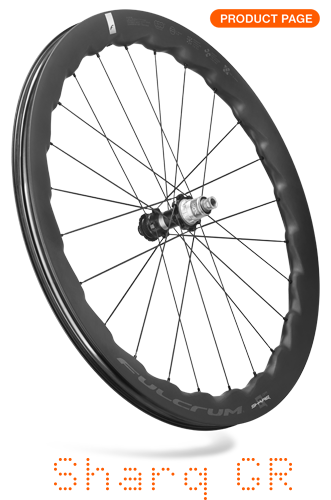
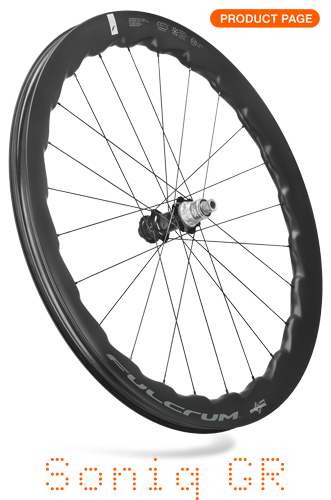
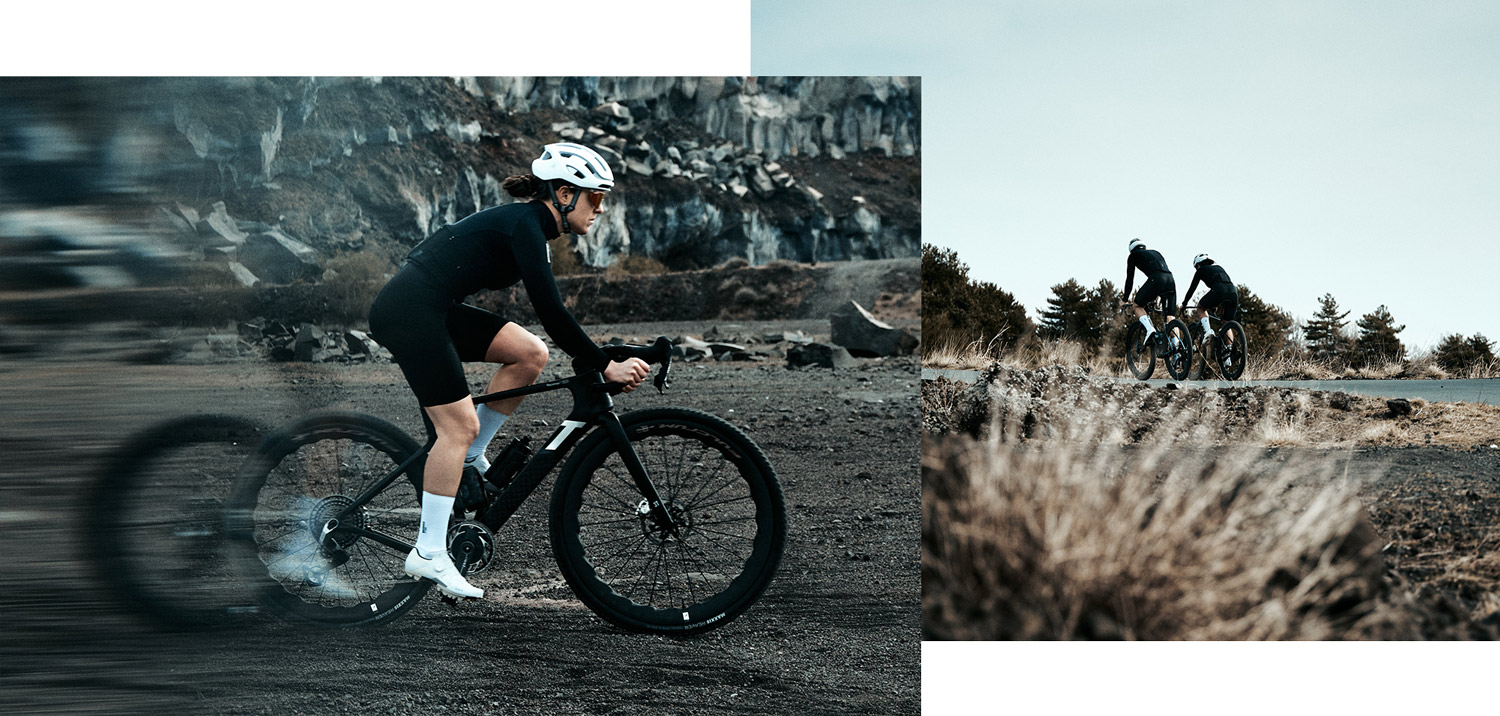
The evolution of races and riding style demands wheels capable of sustaining high speeds on extremely rough terrain, without compromising control or precision. A deep analysis of our range highlighted the opportunity to develop a new solution - more advanced, more performant - strategically positioned between our all-road and adventure gravel ranges.
As wheel specialists, we design dedicated products for each discipline, never relying on forced adaptations. Every technical choice is made with a single objective: maximum performance in its specific riding environment.
The answer to these demands lies in the development of a new wheel: deeper, wider, and more capable than any previous solution. Engineered for superior high-speed performance on gravel surfaces.
Benefit #1
Rim-tire interface
+ Aerodynamic
+ Speed + Handling
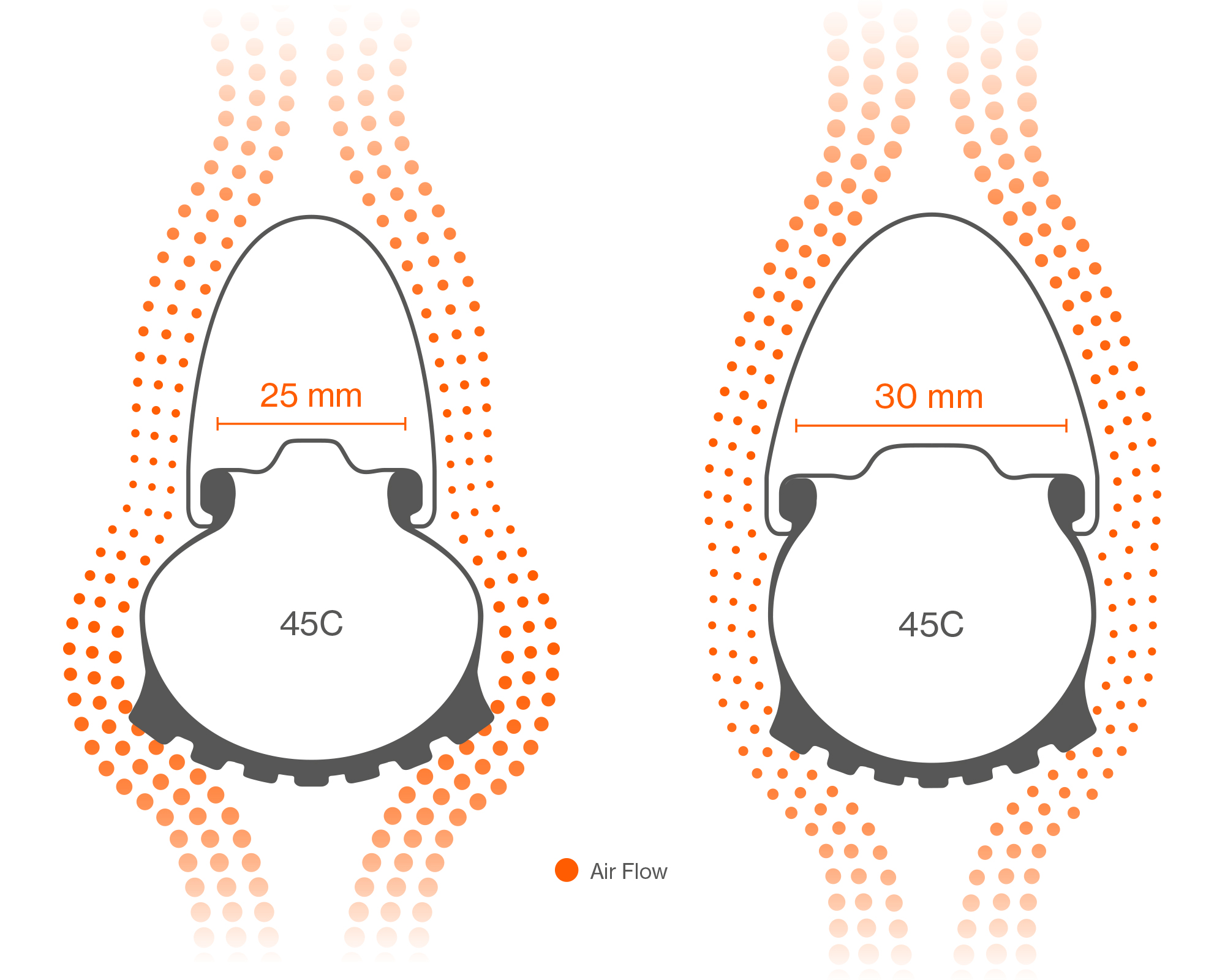
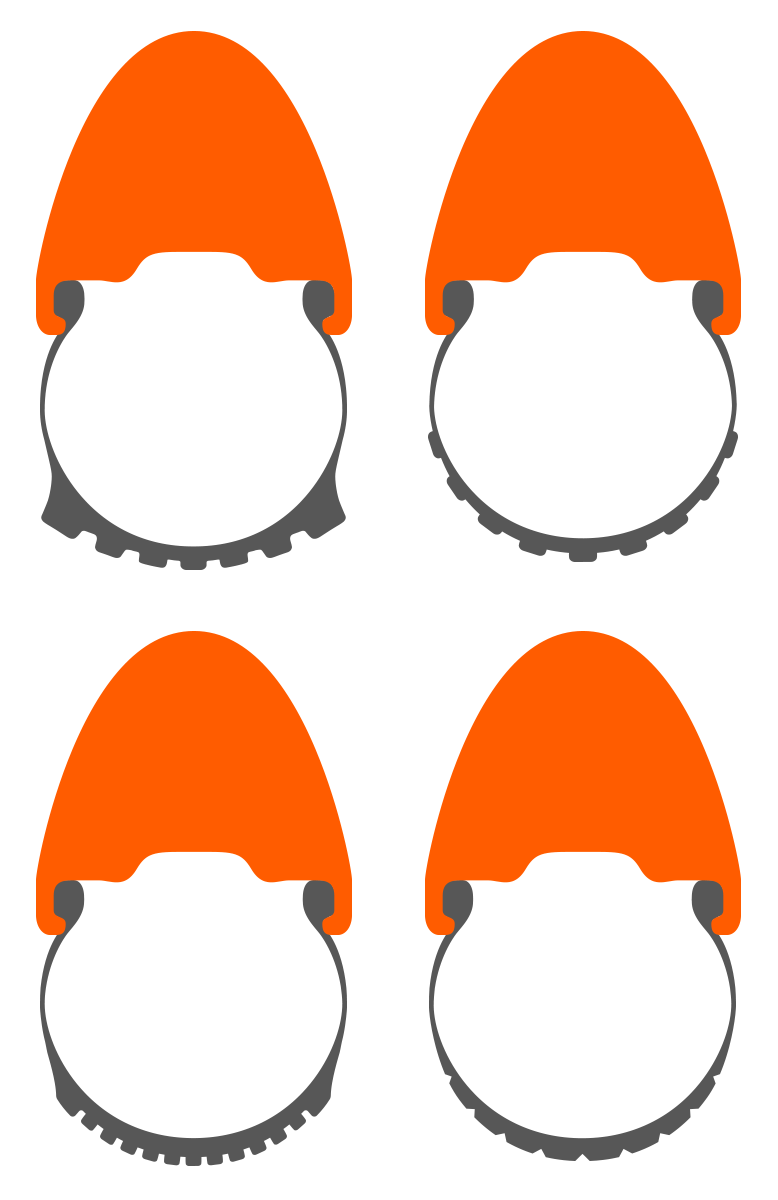
A narrow rim constricts wide tires causing the well-known “lightbulb effect”. On the other hand, a wide rim paired with a wide tire dramatically improves airflow interaction, optimizing the overall wheel system aerodynamics. For this project, we tuned the combination for peak performance: a 30 mm wide rim, with a 2-Wave Rim design, 47- 52 mm deep, perfectly matched with a 50 mm tire.
Measurements taken on two wheels with equal rim height and tire size, but different internal rim widths (specifically C30 vs C25).
Benefit #2
Precise Cornering Control
+ Contact Area
+ Control + Safety
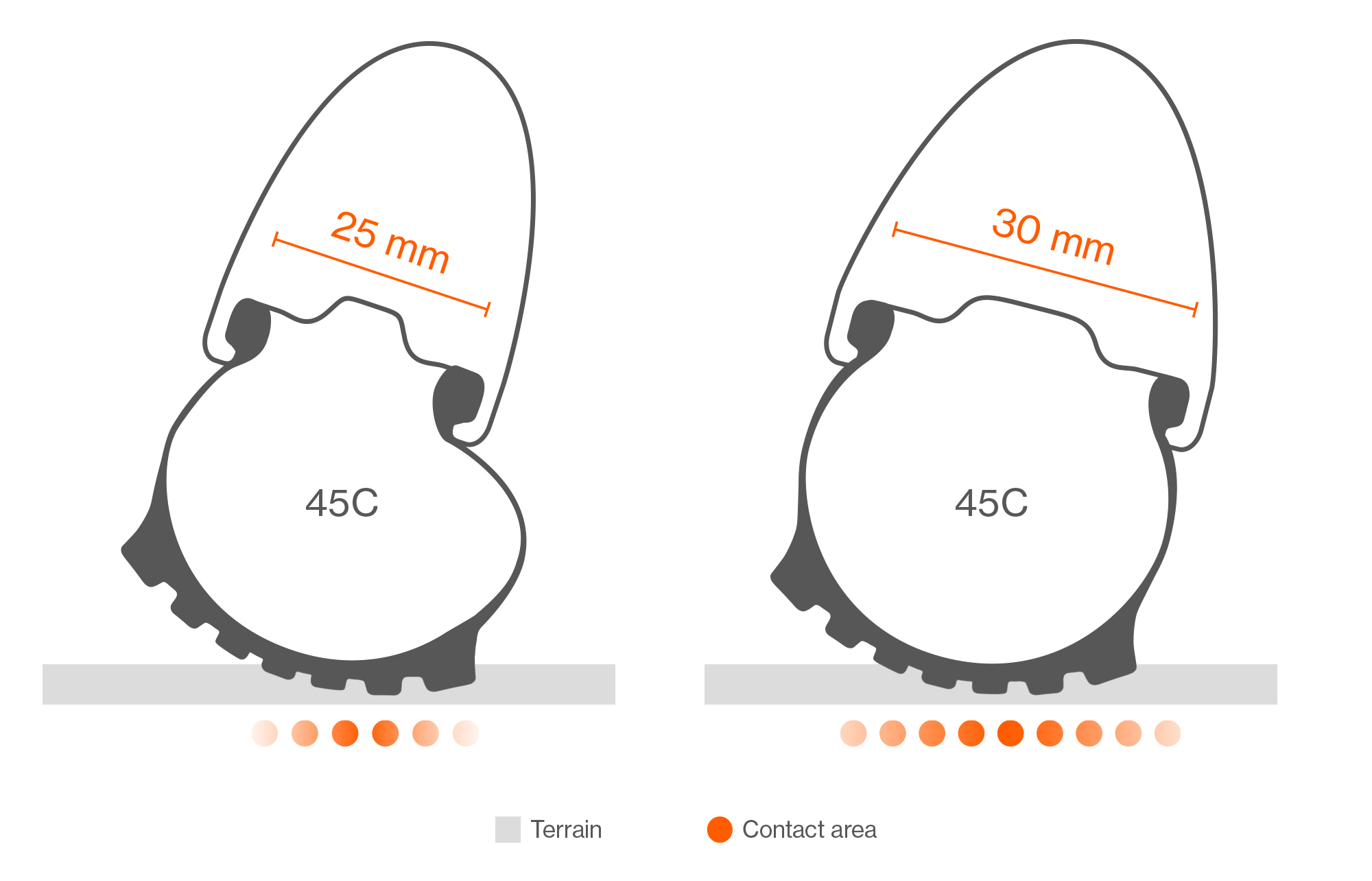
The wider internal channel also allows the tire to maintain its optimal shape, improving ground contact, stability, and overall performance. Additionally, this configuration helps prevent the “burp effect”, ensuring maximum safety and consistent cornering even at low pressures.
Optimal Tire Shape
A wider channel allows the rubber to maintain a flatter, more natural profile. This results in:
- Smoother transitions in corners
- Greater stability in lean angles
- More predictable behavior on mixed terrain
Reduction of the “Burp Effect”
In tubeless configurations, a larger internal channel improves the bead-to-rim fit. This:
- Reduces the risk of sudden air loss (“burping”)
- Allows safe use of lower pressures
- Ensures more consistent and reliable handling
Benefit #3
Rolling Resistance
The Importance of the tire’s footprint
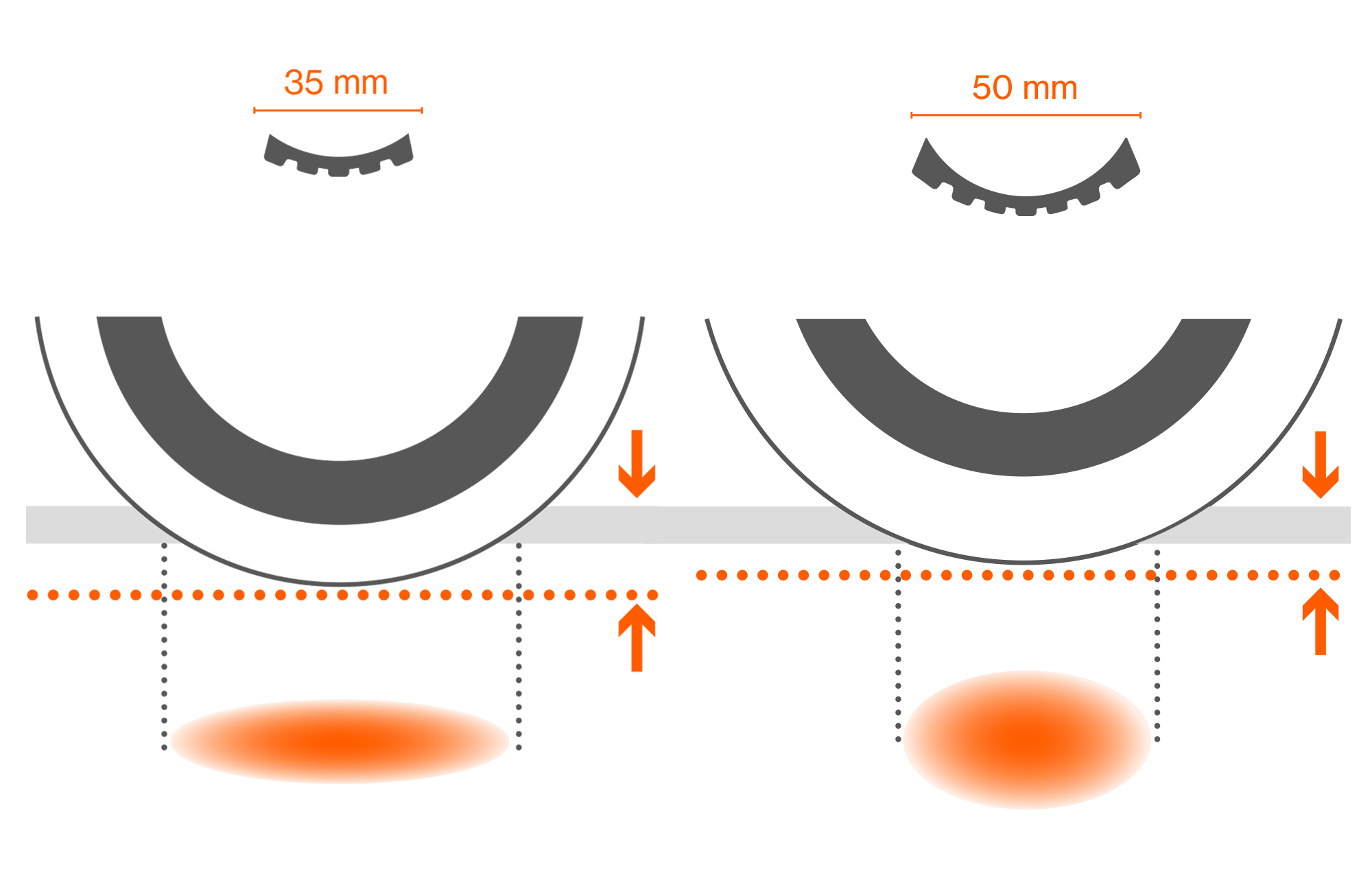
The shape of a tire’s footprint does not only affect grip, but also rolling efficiency and bike stability. Understanding how tire width and its interaction with the rim determine deformation during rotation is essential to optimize performance, reduce effort, and improve control, both on-road and off-road. When the tire comes into contact with the ground, it deforms, creating a flattened area. This deformation leads to energy loss, caused by the continuous compression and release of the tire material. The greater the deformation, the higher the rolling resistance, requiring more effort from the rider to maintain speed.
Differences Between Narrow and Wide Tires
Narrow tire
-
The tire’s footprint is long and narrow, reducing the natural roundness of the wheel.
-
Continuous deformation increases energy loss, raising rolling resistance and making pedaling less efficient.
Wide tire
-
The tire’s footprint is shorter and more compact, reducing overall deformation.
-
The tire shape remains closer to the ideal circular form, improving rolling efficiency and stability.
-
Rolling resistance decreases, allowing higher speeds with less effort, ideal for both long distances and technical riding in corners or on mixed terrain.
Benefit #4
Hooks safety
+ Safety
+ Compatibility
Why we choose the mini-hook
Going against the flow is not necessarily a virtue and neither is blindly following market trends, especially if there are
valid reasons to take a different approach to everyone else. At Fulcrum we don’t have dogmas, we simply build our product philosophy by taking well-considered choices and
assessing the pros and cons of every solution. This is the approach we followed when deciding whether to remove the hook from our road and gravel rims, with a focus on
safety and
compatibility.
More safety
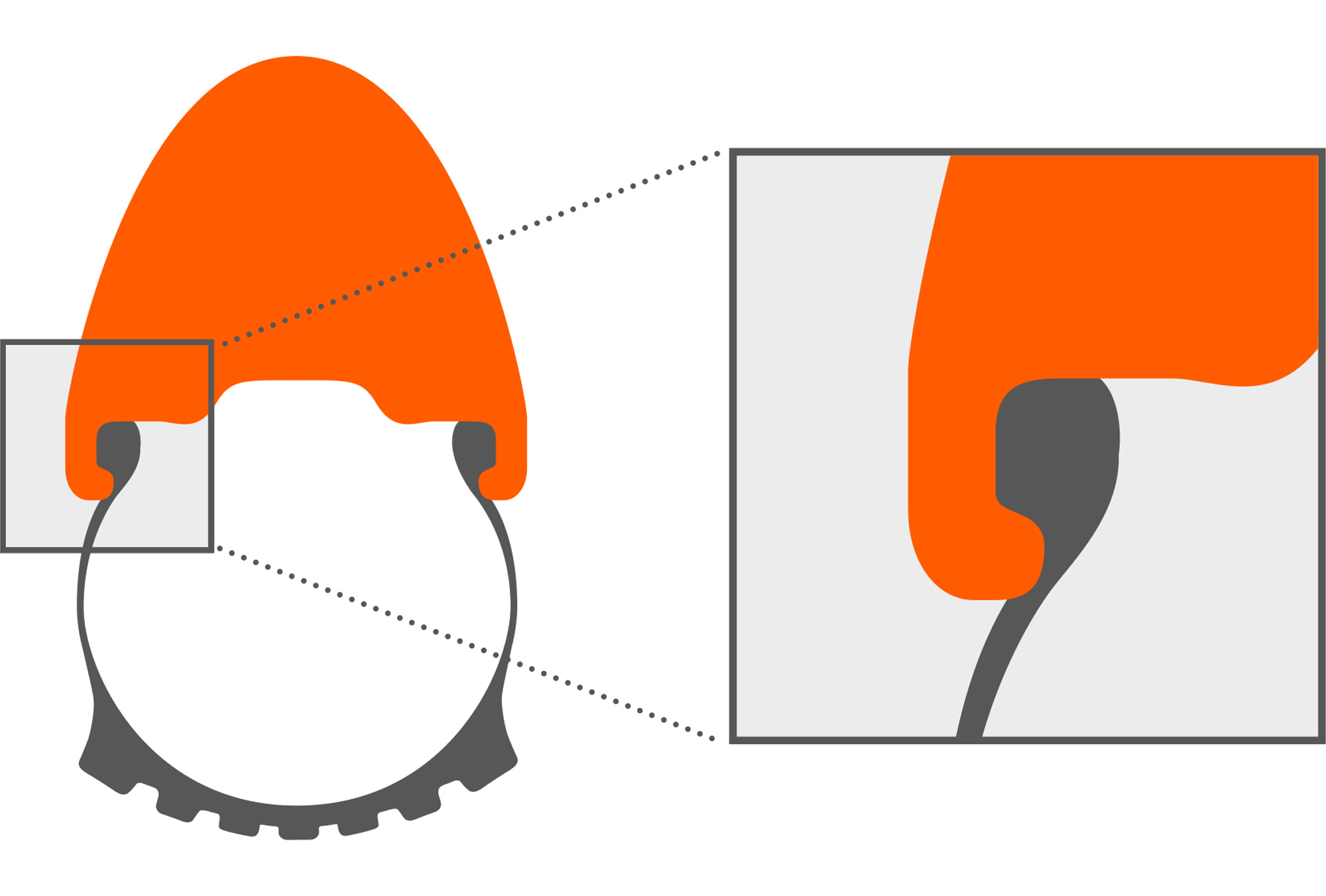
Hookless rims operate safely only within a specific pressure range. Exceeding these limits may increase the risk of tire unseating. In reality, however, many users are not fully aware of these constraints and tend to inflate beyond recommended values. This is where mini-hook rims make the difference: the hooked profile mechanically retains the tire, ensuring a higher level of safety even under overpressure conditions.
Maximum compatibility
One of the main advantages of mini-hook rims is their wide compatibility. Unlike hookless systems that require specific certified tires, this solution allows the use of a much broader range of tyres. Whether tubeless or traditional setups with inner tubes, the goal is simple: maximum freedom of choice. A key factor in gravel riding, where every rider adapts setup and pressure based on terrain and riding style.
Long live the Hook
Hooked rims offer
undeniable advantages. Despite being more complex in terms of production, we have learnt how to
master the process and still prefer them over the hookless design. Not just for the sake of going against the flow or to be different, but simply because we believe they are the
best solution in absolute terms.
Benefit #5
2-Wave Rim Design
+ Aerodynamic
+ Handling
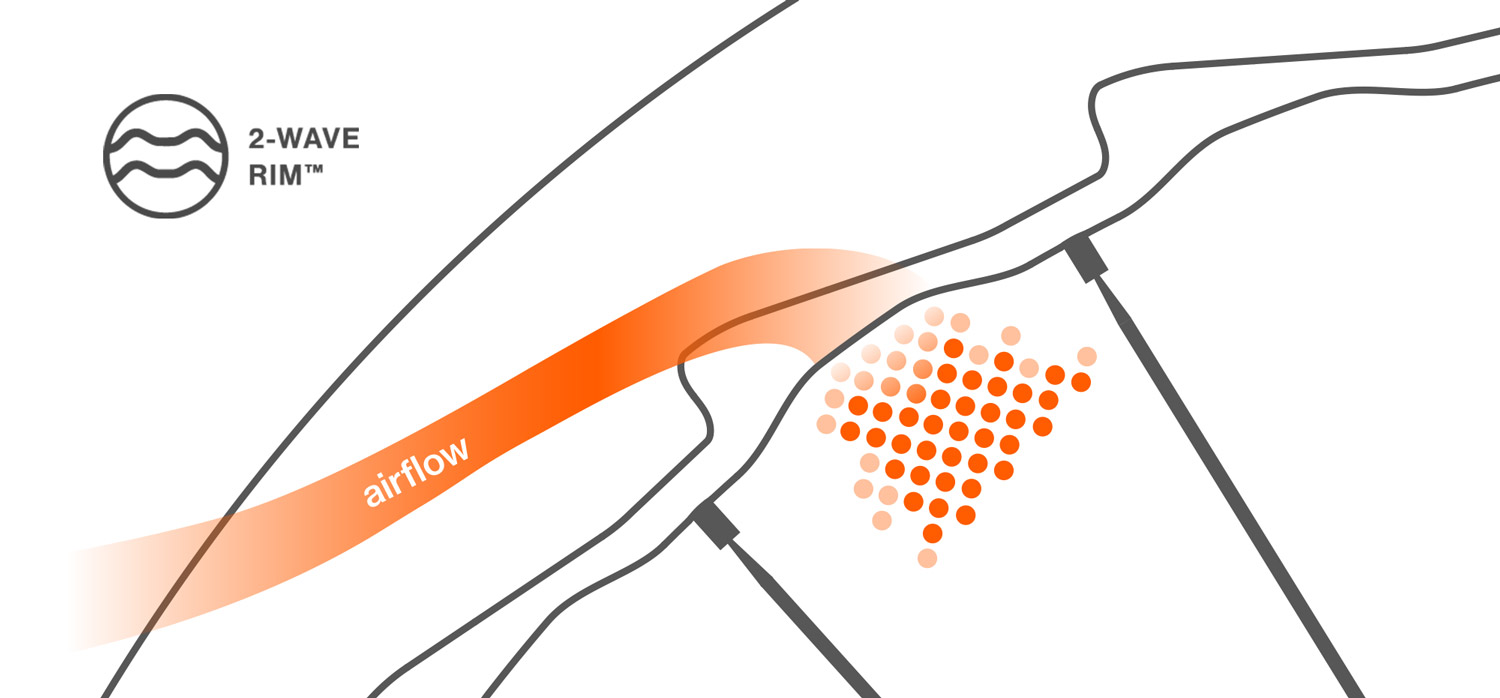
The 2-Wave Rim technology by Fulcrum refers to a specific rim design with a double-wave profile. Our exclusive design - patent pending - achieves an optimal balance between handling and responsiveness, along with excellent aerodynamics.
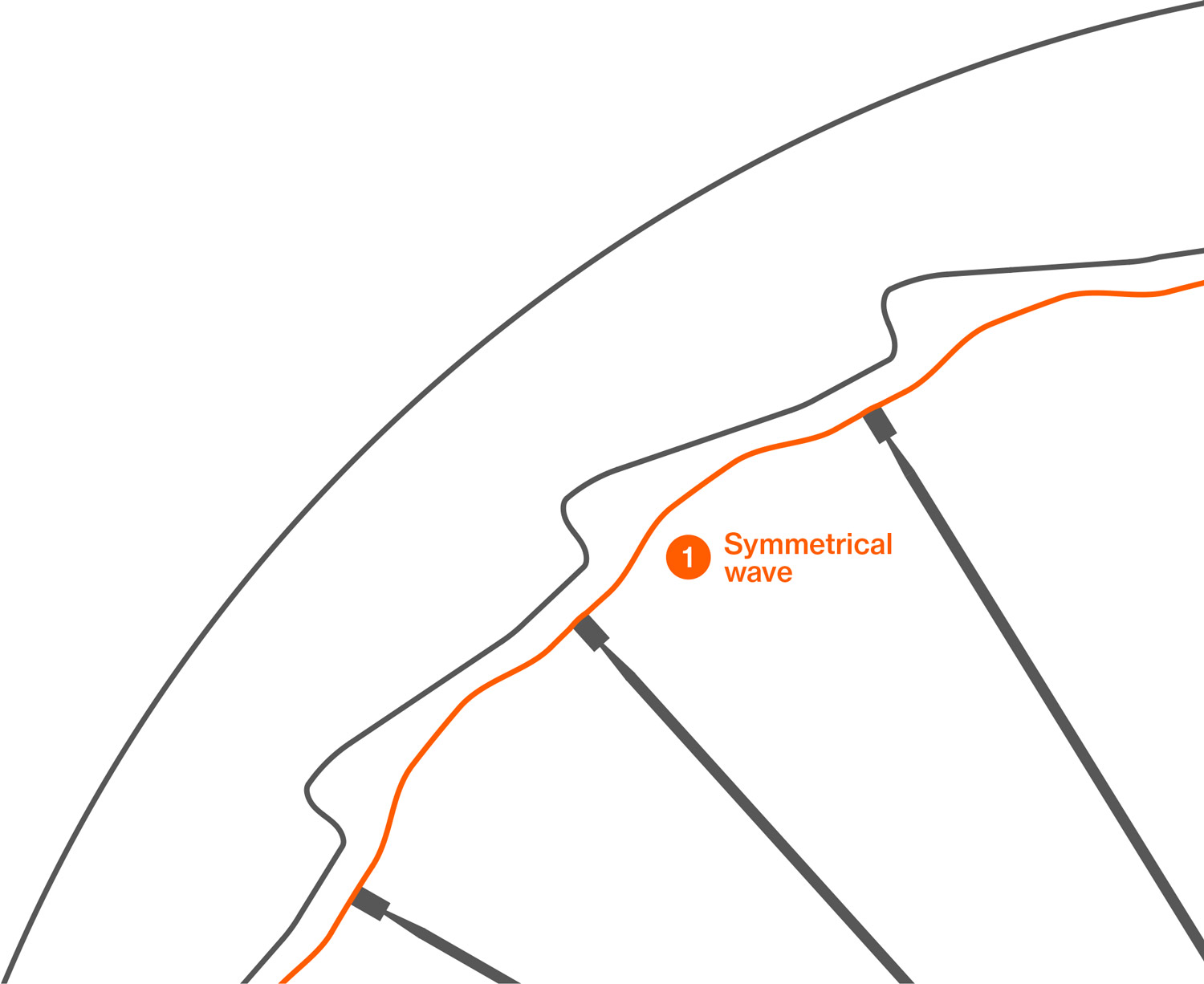
Symmetrical wave
A symmetrical wave shape on the outer rim edge reduces the surface exposed to wind and decreases lateral aerodynamic drag, contributing to greater stability at high speeds and in crosswind conditions.
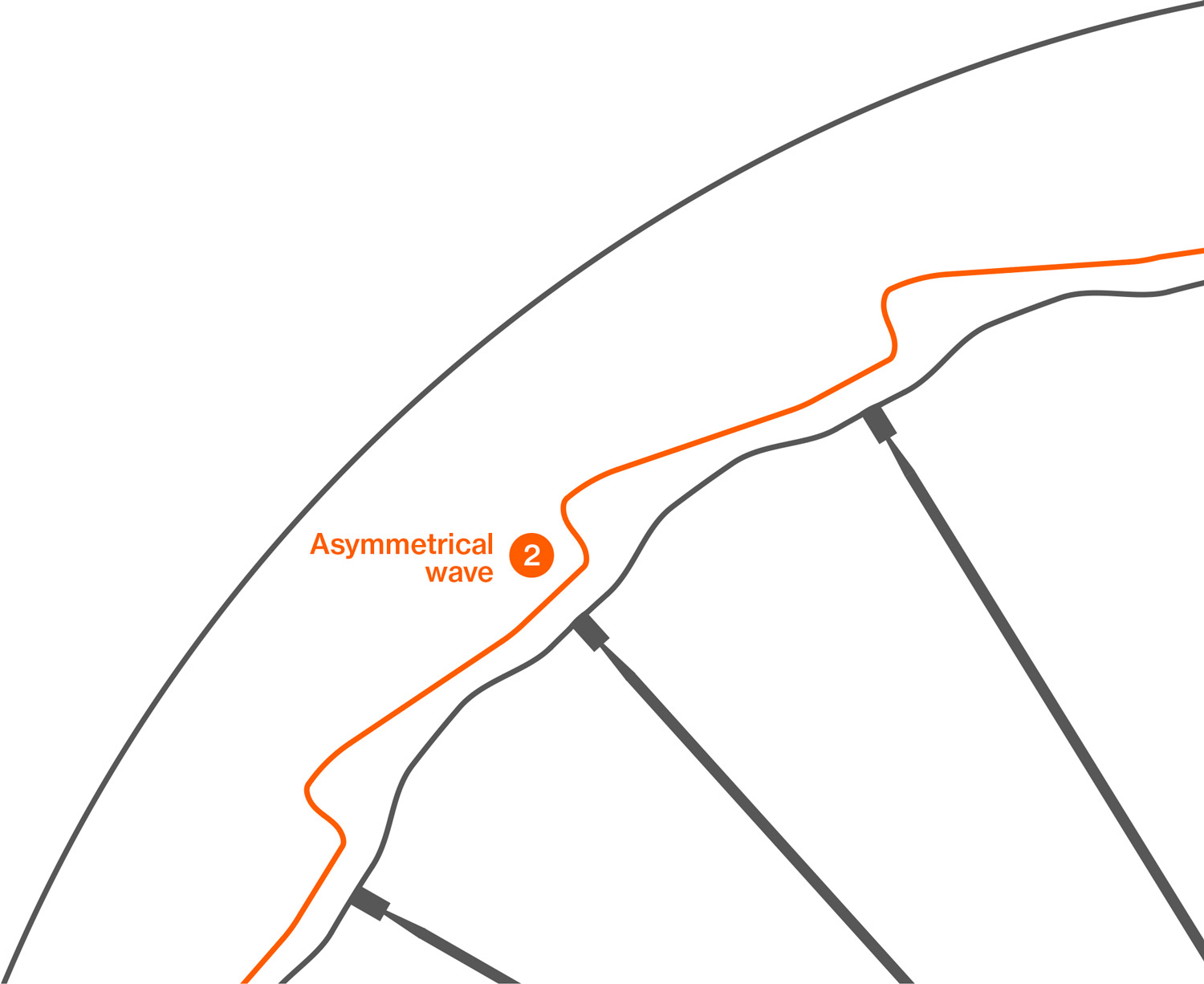
Asymmetrical wave
Asymmetrical waves on the rim sidewalls control and manage airflow, improving aerodynamic penetration and enhancing riding precision, especially in variable conditions.